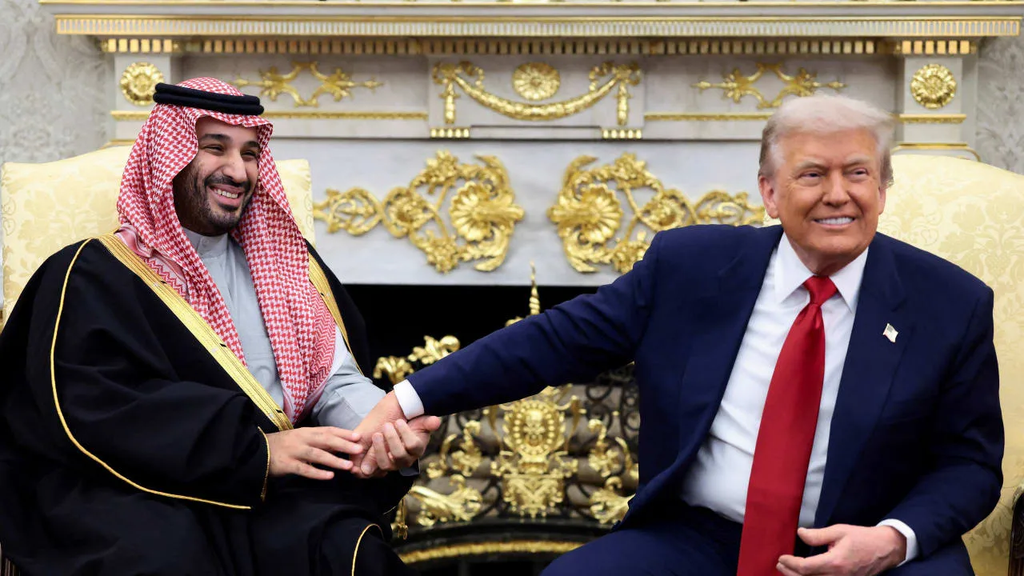
The Trump administration halted a planned military operation against Houthi forces after Saudi Arabia made a direct appeal at the last moment, according to reports of the decision.
The reversal came after the initial authorization had been made, suggesting a significant shift in the administration’s approach to the Yemeni militant group. The timing of Saudi Arabia’s intervention—coming near the conclusion of planning stages—underscores the role regional allies play in shaping U.S. military strategy in the Middle East.
The Houthis have conducted numerous attacks in recent years, targeting vessels in strategic waterways and other regional interests, prompting international concern and occasional military responses. Any strikes would have represented a direct escalation in the conflict, making the decision to proceed or halt consequential for regional dynamics.
Saudi Arabia, a key U.S. ally in the Gulf region, maintains complex interests in Yemen and broader Middle Eastern affairs. The kingdom’s decision to actively discourage the planned strikes suggests concerns about potential consequences—whether related to escalation, economic impacts, humanitarian considerations, or other strategic calculations. The specifics of Saudi Arabia’s reasoning remain unclear from available reports.
The decision reflects the broader patterns of Trump administration decision-making on military matters, which have frequently involved input from allied governments and changing assessments of strategic utility. It also illustrates the tension between autonomous U.S. military judgment and the diplomatic considerations that shape policy in practice.
The implications of the reversal extend beyond the immediate tactical decision. It may affect perceptions of U.S. deterrence capability, regional allies’ confidence in American commitments, and the Houthis’ calculations regarding future actions. How the decision influences subsequent developments in the conflict remains to be seen.