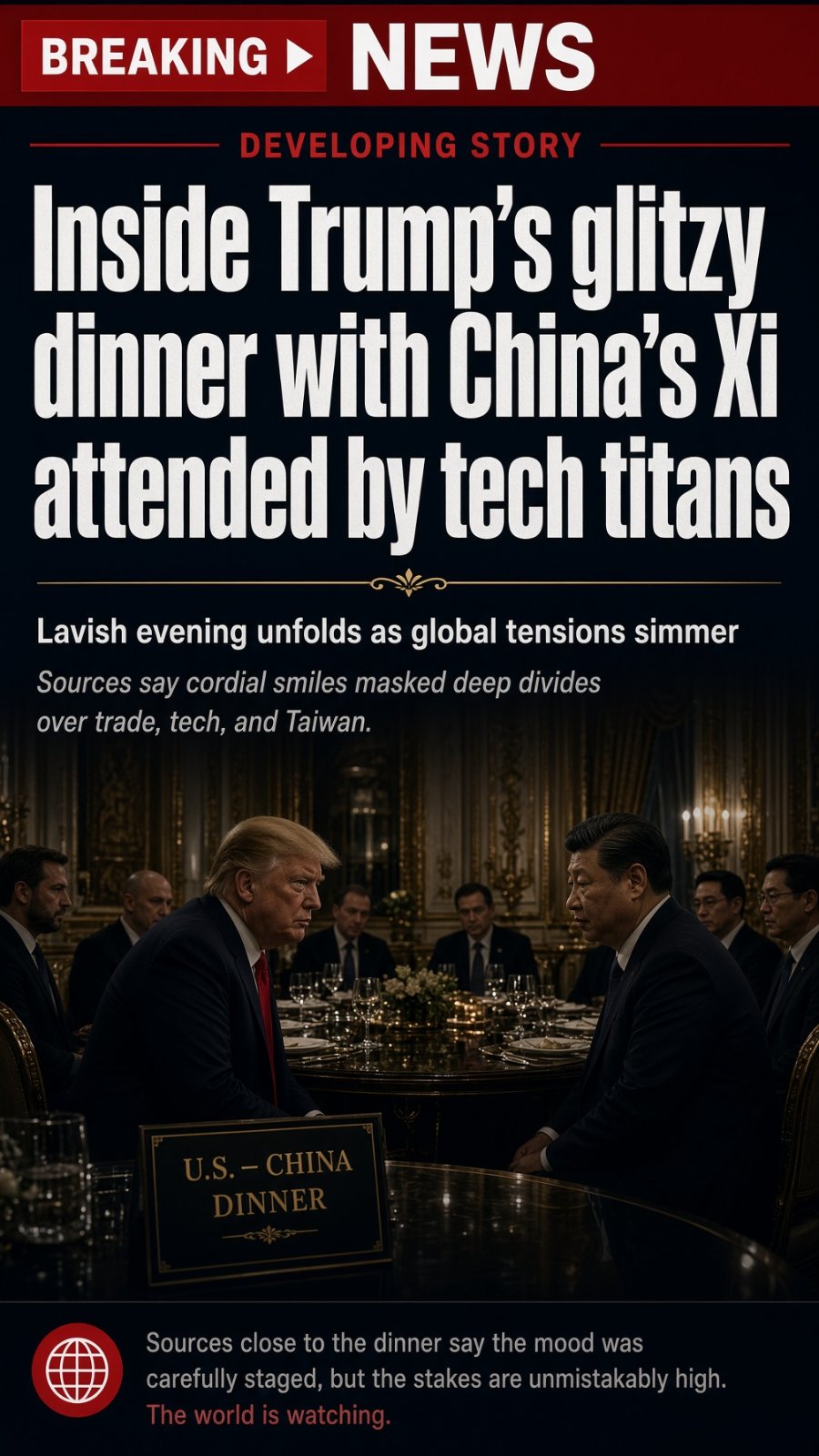
A dinner bringing together former U.S. President Donald Trump and Chinese leader Xi Jinping drew prominent figures from the technology industry in what observers characterized as a rare moment of high-level engagement between the two nations.
The event reflected the complex relationship between American tech companies and Chinese economic and political interests. Silicon Valley has long maintained substantial business operations in China while also facing heightened scrutiny from U.S. policymakers concerned with technology transfer and national security. The presence of tech executives at such a gathering suggests ongoing efforts to navigate these crosscurrents through direct dialogue.
The dinner came at a time when U.S.-China relations have been strained by trade disputes, competing technology standards, and geopolitical tensions. The semiconductor industry, artificial intelligence development, and digital infrastructure have become focal points of bilateral competition. Both countries have implemented restrictions on technology exports and investments in sensitive sectors, creating uncertainty for multinational corporations operating across both markets.
The participation of technology leaders in the gathering underscores the sector’s importance to both governments. American tech companies depend on access to Chinese consumers and supply chains, while Chinese technology development increasingly competes directly with U.S. firms. Regulators on both sides have indicated that technology policy will remain a central element of bilateral relations.
Dinners and informal summits have historically served as venues for exploratory discussions between U.S. and Chinese leadership, often preceding more formal negotiations or policy announcements. Such events allow leaders and business figures to communicate positions and assess possibilities for cooperation in areas of mutual interest.
The specific topics discussed at the dinner and any outcomes remain to be seen. Both governments typically offer limited details about such private meetings. Industry observers will likely scrutinize any subsequent policy shifts or trade adjustments for signs of movement on key technology and business issues.