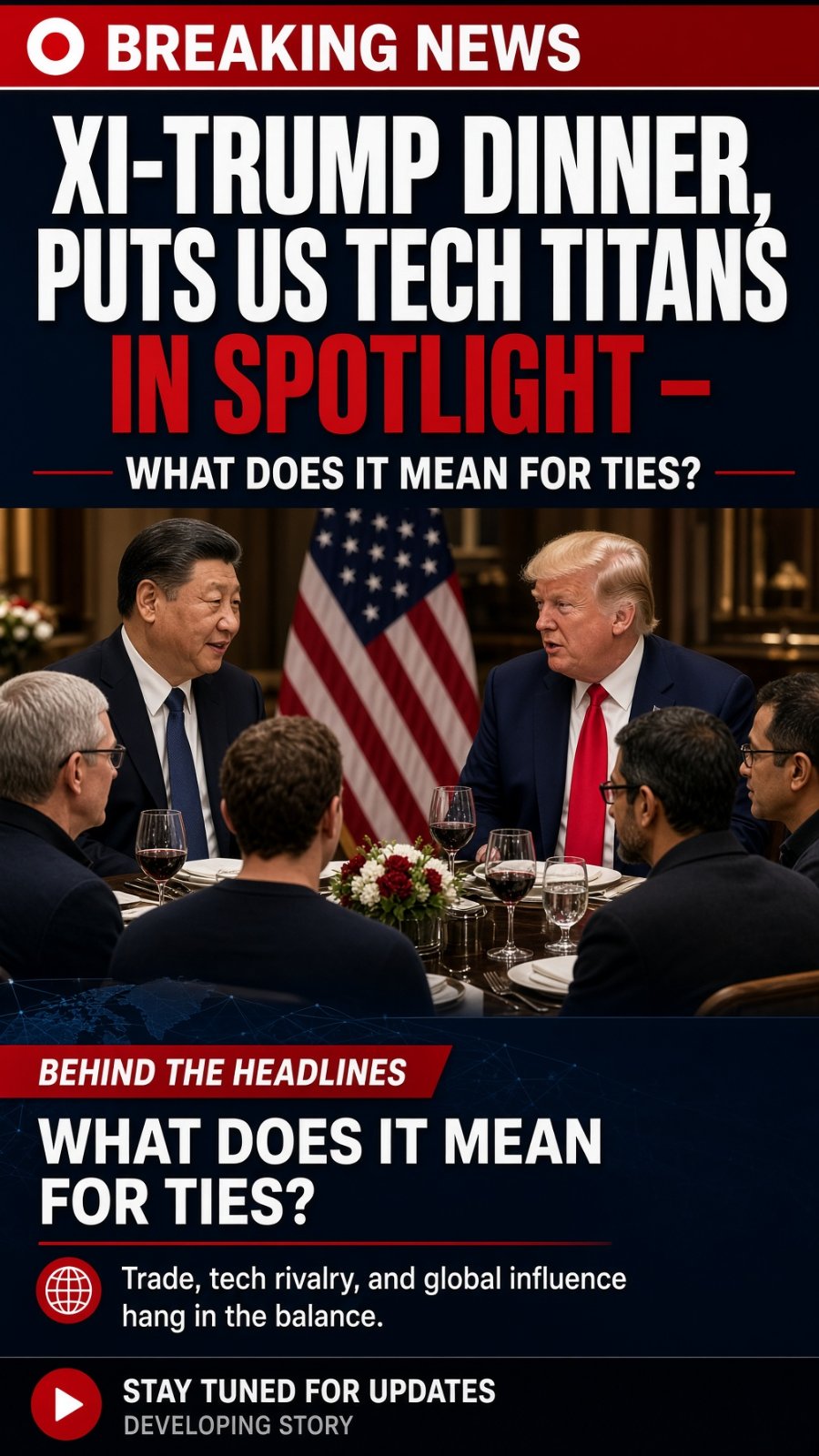
A dinner bringing together senior American and Chinese officials has placed technology executives in an unusually prominent diplomatic role, underscoring the outsized influence of the sector in shaping bilateral relations at a time of intense geopolitical competition.
The presence of tech industry leaders at such a high-profile gathering reflects the sector’s central position in US-China tensions. Over the past several years, both governments have implemented increasingly restrictive policies aimed at limiting the other’s technological advancement, from semiconductor export controls to restrictions on artificial intelligence research collaboration. American companies operating in or seeking access to the Chinese market face mounting uncertainty about regulatory requirements and the longevity of their commercial relationships.
For executives attending, the dinner represents a rare opportunity to signal openness to dialogue on issues affecting their operations and competitiveness. The technology sector has long maintained that engagement and commercial ties, rather than isolation, serve both economic and strategic interests. At the same time, US policymakers have grown more skeptical of unfettered tech transfer to China, citing national security concerns.
The inclusion of business leaders in such diplomacy is not unprecedented, yet it carries particular weight given how thoroughly the tech sector shapes modern economies. Industries ranging from semiconductors to cloud computing to artificial intelligence have become intertwined with questions of national power and security. What tech companies can sell, where they can operate, and with whom they can partner have become matters of state-level concern rather than purely commercial decision-making.
Whether the dinner signals a genuine shift in US-China relations on technology policy remains unclear. High-level engagements between the countries often reflect attempts by both sides to manage tensions and prevent escalation, even when underlying disagreements persist. For tech executives, the value may lie simply in demonstrating that dialogue channels remain open and that business interests have a seat at the table.
The coming weeks will likely reveal whether the meeting produces concrete movement on specific policy issues or whether it remains largely a symbolic gesture. Companies with major Chinese operations, along with those dependent on global supply chains, will be watching closely for any signs of policy direction.