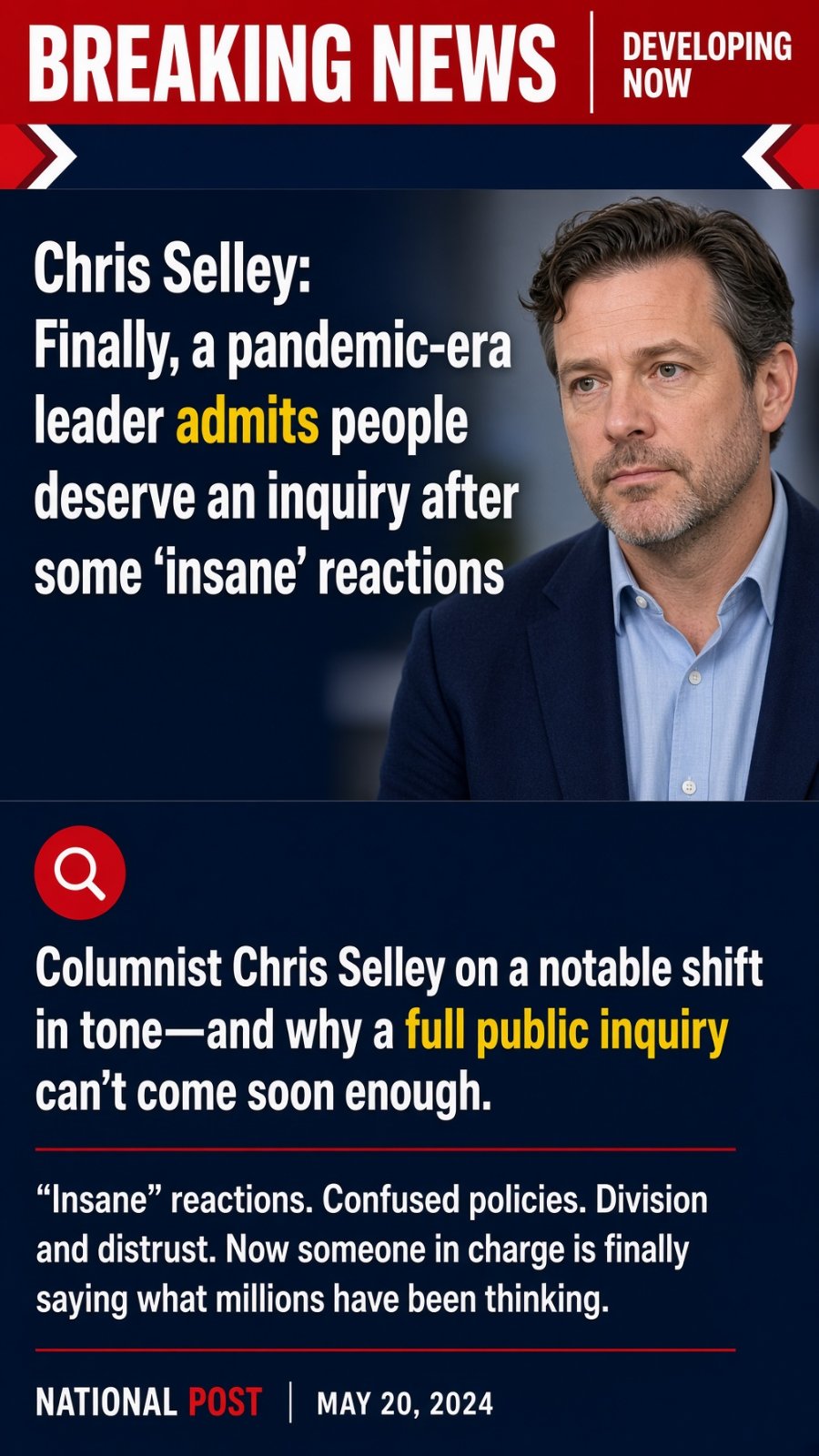
A turning point may be emerging in political debate over the pandemic’s governance legacy. As public pressure builds for formal examination of how governments managed the crisis, some prominent figures are beginning to acknowledge that citizens have a legitimate claim to transparency and accountability.
The pandemic prompted extraordinary executive actions across multiple jurisdictions—from mobility restrictions and business closures to vaccine requirements and emergency declarations. While many of these measures were intended to contain viral spread, others remain contested. Disputes persist over the proportionality of certain policies, the adequacy of evidence underlying particular decisions, and the balance struck between public health and other societal needs.
For some time, calls for a formal, independent inquiry have faced political hesitation. Governments, particularly those that implemented stricter measures, have sometimes resisted formal scrutiny, citing the need to “move forward” or arguing that existing reviews were sufficient. Yet public frustration has not subsided. Families affected by school closures, business owners who faced prolonged restrictions, healthcare workers who navigated impossible conditions, and citizens whose livelihoods or freedoms were constrained have pressed for clarity about how and why decisions were made.
The case for an inquiry rests on established democratic principles. Formal inquiries create space for evidence to be examined, witnesses to be heard, and findings to be documented for public review. They can identify lessons for future crises, clarify whether emergency powers were used appropriately, and help restore public confidence in institutions by demonstrating a willingness to examine mistakes openly.
Some jurisdictions have already pursued this path. Others have proposed inquiries but faced political obstacles. The recent acknowledgment by at least one leader that such scrutiny is warranted signals that resistance may be softening. Whether this represents genuine commitment to accountability or a pragmatic recognition that the political cost of resistance has risen remains to be seen.
What an inquiry might examine varies, but common areas include the decision-making process during key policy shifts, the advice provided by scientific and medical experts, the impact of restrictions on education and mental health, economic consequences, and whether emergency powers were invoked and used within legal and constitutional bounds.
As pressure mounts, the political landscape appears to be shifting. The question now may not be whether an inquiry will occur, but what form it takes and whether it will command sufficient independence and scope to satisfy public demand for answers.