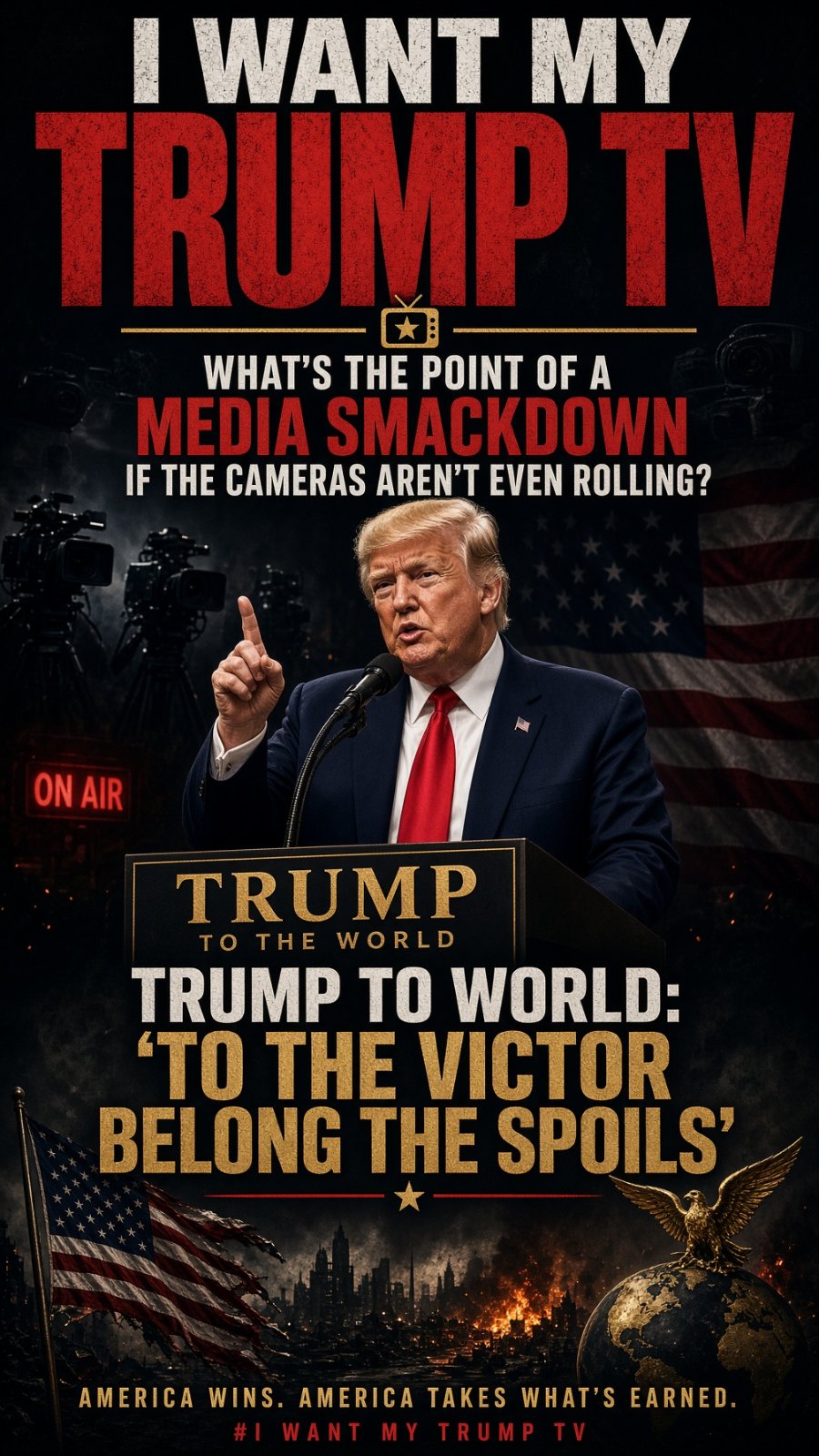
The call for a dedicated Trump television network reflects a deeper shift in how Americans consume political media, revealing both consumer appetite for ideologically aligned news and the continuing fracture of the national media landscape.
For years, critics of mainstream television news have voiced frustration with editorial decisions and story selection, arguing that major outlets misrepresent or ignore perspectives favorable to Trump and his supporters. This dissatisfaction has created a rhetorical demand for an alternative — a network built from the ground up to serve this audience without what they view as institutional bias.
The impulse itself is not new. Cable and streaming have already fragmented the once-monolithic television audience, with different outlets cultivating distinct ideological orientations and viewer bases. Several media properties have positioned themselves to capture Trump-aligned audiences, drawing substantial viewership and loyalty. Yet the phrase “I want my Trump TV” suggests that current options, in the minds of some supporters, still fall short of providing a comprehensive media ecosystem built explicitly around that perspective.
Launching such a network would face considerable hurdles. Building a full-service television operation or streaming platform requires significant capital, production infrastructure, and advertising revenue to sustain operations. Regulatory questions around licensing and broadcast standards would apply differently depending on the platform’s structure. The market for niche political media, while real, has demonstrated limits — ventures built around single personalities or ideologies have struggled to achieve broad profitability.
Historically, attempts to create highly partisan media networks have shown mixed results. Some have built loyal audiences but faced challenges scaling beyond core supporters or maintaining relevance as political conditions shift. The sustainability of such ventures often depends on diverse revenue streams, from advertising to subscription fees to merchandising.
The sentiment behind the demand, however, points to genuine patterns in media consumption. Americans increasingly select news sources that align with their existing beliefs, and trust in traditional institutions continues to decline among certain demographic groups. Whether that demand could support a dedicated Trump network, or whether existing platforms already adequately serve that audience, remains an open question — one with implications for media fragmentation and political polarization more broadly.