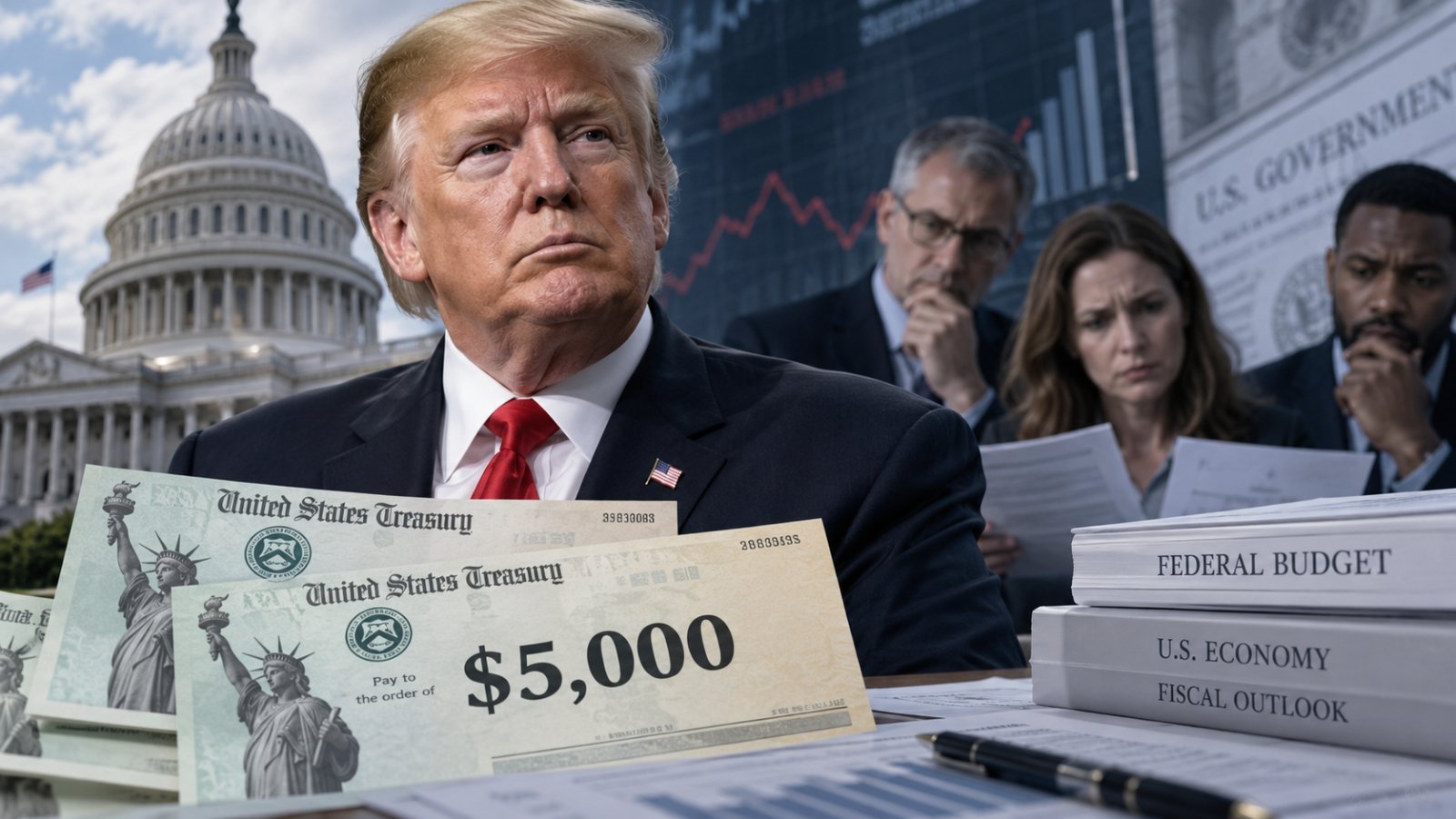
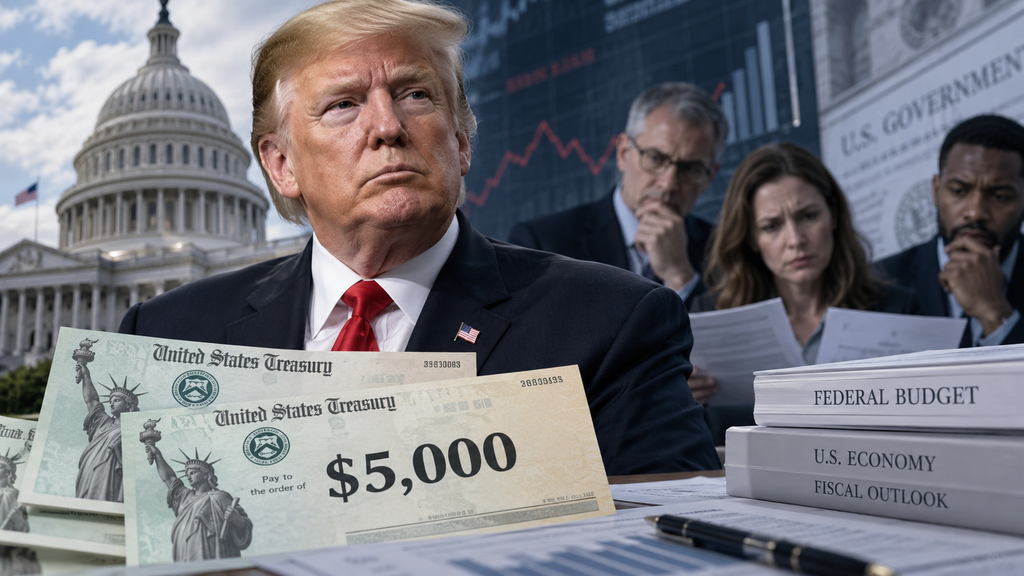
Former President Donald Trump’s campaign pledge to distribute $5,000 checks to American recipients has drawn sharp criticism from political opponents and policy analysts who question both the financial viability and implementation details of the proposal.
The promise, made during recent campaign messaging, has become a focal point for debate over Trump’s economic agenda. Critics have raised concerns about the overall cost of such a program and the mechanisms that would be used to fund and distribute the payments. Opponents have suggested the numbers do not add up without significant tax increases or major reductions in government spending, or have questioned whether the administration would have the legal authority to execute such a plan without congressional approval.
The response has been particularly robust from Democratic strategists and progressive organizations, who argue that such promises represent unrealistic or misleading economic messaging. Some analysts have pointed to similar proposals from previous election cycles that failed to materialize or faced significant obstacles during implementation.
Trump’s campaign has not immediately provided detailed responses to the specific critiques, though supporters of the proposal have argued that economic growth and efficiency measures could generate revenue to fund the initiative. The proposal remains one of several economic planks in his broader policy platform.
The debate reflects a wider pattern of campaign promises centered on direct economic relief to voters, a strategy that has become increasingly common in American politics across the political spectrum. How voters weigh such proposals against concerns about feasibility will likely influence their electoral decisions.