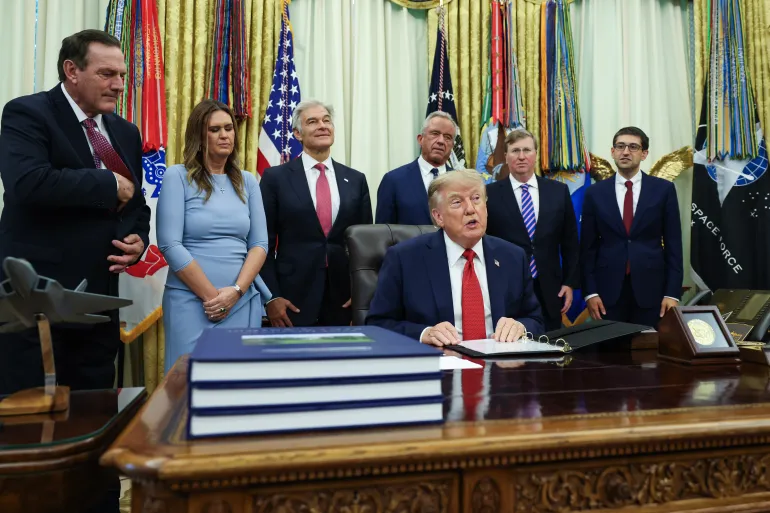
The question of whether a president can bar news organizations from the White House touches on fundamental tensions in American governance: executive control over federal property and the constitutional protections afforded to a free press.
The First Amendment explicitly protects freedom of the press, establishing a constitutional framework that has shaped press law for centuries. However, the application of this protection to White House access is complicated by the fact that the residence and workplace of the president is not a traditional public forum. Presidents do exercise considerable authority over who may enter their facilities, subject to security and operational concerns.
Courts have generally recognized a distinction between broad censorship—preventing outlets from reporting on the government—and operational control over physical access to specific locations. A president might have authority to exclude individuals from the White House grounds for security reasons or policy violations, but legal scholars have debated whether targeting an entire news organization based solely on editorial content raises different constitutional questions.
Past administrations have had tense relationships with certain segments of the media, and these tensions have occasionally resulted in restricted access or disputes over credentialing. The structure of White House press operations, including the traditional press pool system, reflects decades of negotiated practice between administrations and news organizations.
Legal experts often point out that the stakes of such a decision extend beyond any single presidency. If broad precedent for excluding outlets were established, it could affect how future administrations handle press access, potentially creating a more restricted media environment in the long term.
Constitutional scholars continue to debate the precise boundaries of presidential authority in this domain. Some argue that exclusion based primarily on editorial positions would conflict with press freedom principles, while others contend that the executive branch’s control over its own facilities is quite broad. The question remains largely untested in courts, meaning that any such action would likely trigger immediate legal challenges that would clarify the law’s actual limits.